The Power of Visual Impact: Leveraging Neon and Abstract Wavy Backgrounds for Modern Design
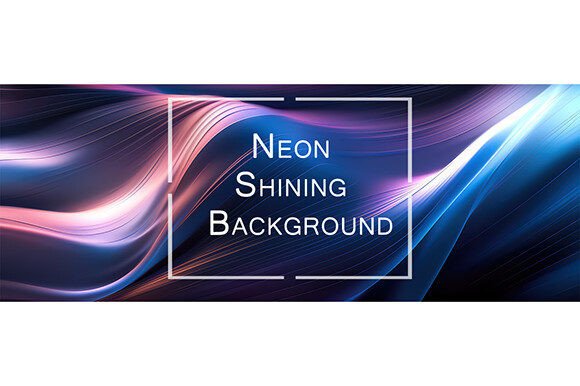
In the fast-paced digital landscape we inhabit today, visual communication is no longer just an accessory to content; it is the primary vehicle through which messages are received, processed, and remembered. Whether you are a graphic designer crafting a brand identity, a business owner updating your marketing materials, or a creative professional looking to add a spark to your next project, the choice of background plays a pivotal role in setting the tone. Among the myriad of design elements available, neon shining backgrounds and abstract wavy backgrounds with neon shining lines have emerged as powerful tools for capturing attention and conveying energy.
This article explores the aesthetic and practical value of high-resolution abstract designs, specifically focusing on the versatility of premium quality JPEG files that feature dynamic neon effects against fluid, wavy forms. By understanding how these elements work together, you can elevate your projects from ordinary to extraordinary.
Understanding the Aesthetic: Neon Meets Fluidity
To appreciate the impact of this specific design style, it is essential to break down its two core components: the "neon" aspect and the "abstract wavy" structure. When combined, they create a visual language that speaks of modernity, innovation, and movement.
The Energy of Neon
Neon lighting has long been associated with nightlife, urban culture, and futuristic aesthetics. In design, the use of neon colors—vibrant pinks, electric blues, vivid greens, and intense purples—immediately draws the eye. These colors are not merely decorative; they evoke emotions of excitement, urgency, and creativity. When used as a shining element, neon suggests illumination and clarity, cutting through the noise of a crowded visual field.
The Flow of Abstract Waves
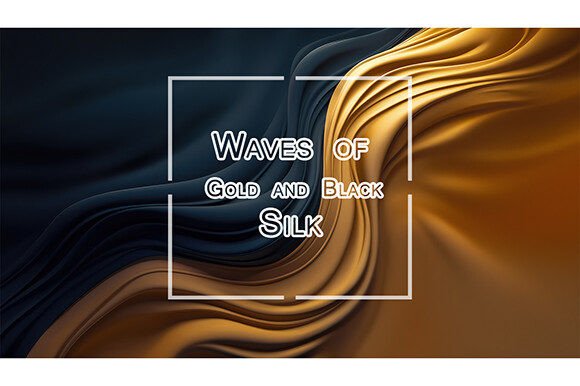
While neon provides the pop, the abstract wavy background provides the context. Unlike rigid geometric shapes that can feel cold or corporate, waves are organic, fluid, and dynamic. They suggest motion, growth, and adaptability. An abstract wavy pattern avoids the distraction of recognizable objects, allowing the viewer’s focus to remain on the message while providing a sophisticated texture that feels both calming and energetic.
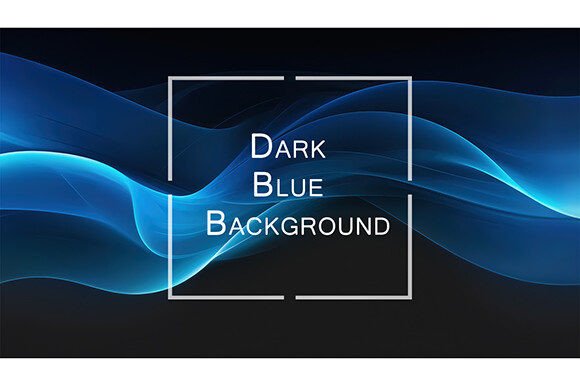
When you combine glowing neon lines with smooth, undulating waves, you create a sense of depth and dimension. The light appears to travel along the curves, guiding the viewer’s gaze across the canvas. This technique is particularly effective in digital media, where screen real estate is limited, and immediate engagement is crucial.
Technical Specifications: Why Resolution and Format Matter
One might assume that any image with bright colors will look good on a website. However, the difference between a professional result and a amateurish one often lies in the technical specifications of the file. This is where the importance of high-resolution assets becomes apparent.
A premium quality background file, such as one specified at 5579x2100 pixels and 300 DPI (Dots Per Inch), offers significant advantages over standard web images. Let’s explore what these metrics mean for your projects.
- Pixels (5579x2100): This resolution provides an ultra-wide aspect ratio, making it ideal for banners, hero sections on websites, and wide-format posters. It ensures that the image covers large areas without needing to be stretched, which would otherwise cause blurriness or pixelation.
- DPI (300 DPI): DPI refers to the number of ink dots per inch when printed. A 300 DPI standard is considered the gold rule for print quality. If you plan to use your background for physical products like packaging, postcards, or wall art, a lower resolution (such as 72 DPI, typical for screens) will result in jagged edges and blurry details. A 300 DPI JPEG ensures that every shimmer of the neon line and every curve of the wave is crisp and clear to the naked eye.
- JPEG Format: While PNG is often preferred for transparency, JPEG is widely supported and efficient for complex photographic or gradient-based images. For a solid background that does not require transparency, a high-quality JPEG maintains vibrant colors with manageable file sizes, ensuring fast loading times on the web while preserving detail.
Practical Applications Across Industries
The versatility of a high-definition neon wavy background allows it to be applied across a diverse range of industries and applications. Its ability to adapt to different contexts makes it a valuable asset in any designer’s toolkit.
Digital Marketing and Web Design
In the digital realm, first impressions are formed in milliseconds. Using a neon wavy background for website headers, social media banners, or blog post featured images can significantly increase click-through rates. The dynamic nature of the design keeps users engaged, encouraging them to scroll further. For example, a tech startup might use blue and cyan neon waves to convey innovation and trust, while a fashion brand might opt for pink and purple hues to suggest luxury and trendiness.
Branding and Business Materials
Consistency is key to strong branding. Incorporating a distinctive background style into business cards, invitations, and letterheads creates a cohesive visual identity. Imagine a sleek business card with a subtle, dark abstract wave pattern overlaid with thin, glowing neon lines. It stands out in a stack of plain white cards, signaling that the business is modern, detail-oriented, and forward-thinking.
Print Media and Packaging
As mentioned earlier, the 300 DPI specification is critical for print. This type of background is perfect for product packaging, especially for electronics, cosmetics, or energy drinks, where the goal is to stand out on crowded shelves. The contrast between the dark or muted tones of the wave and the bright neon lines creates a striking shelf presence. Similarly, for event posters or concert flyers, the energetic vibe of neon lights paired with fluid waves captures the atmosphere of live events perfectly.
Creative Projects and Wall Art
For interior designers and artists, abstract backgrounds serve as excellent canvases. High-resolution prints of these designs can be transformed into large-scale wall art, adding a contemporary touch to home offices, living rooms, or commercial spaces like cafes and co-working hubs. The non-representational nature of abstract waves allows them to complement various furniture styles and color palettes without clashing.
Best Practices for Implementation
While the potential of these backgrounds is vast, using them effectively requires a thoughtful approach. Here are some tips to ensure your designs remain balanced and professional.
- Maintain Contrast: Neon colors are bright and demanding. Ensure that any text placed over the background has sufficient contrast. White or light-colored text often works best against darker, wavy backgrounds, while dark text may be needed if the background is very light.
- Don’t Overcrowd: The beauty of abstract backgrounds lies in their simplicity. Avoid placing too many other heavy graphical elements on top of them. Let the background do the heavy lifting by providing atmosphere, and keep foreground elements clean and minimal.
- Consider Color Psychology: Choose neon colors that align with your message. Blue and green often signify technology and calm, while red and orange suggest passion and energy. Aligning the hue with your brand personality enhances the emotional impact of the design.
- Test Across Devices: Since these backgrounds are often used digitally, always preview them on different screen sizes. The ultra-wide resolution helps, but ensure that the focal points of the neon lines remain visible on mobile devices, which have narrower viewports.
Common Misconceptions About Abstract Design
There is a common misconception that abstract designs are "random" or lack purpose. In reality, effective abstract design is highly intentional. The curves, colors, and lighting are carefully chosen to evoke specific feelings and guide the viewer’s eye. Another myth is that neon designs are only suitable for night-life or gaming themes. As demonstrated by their application in corporate branding and educational materials, neon aesthetics can be toned down or adapted to fit professional environments, provided the balance between vibrancy and subtlety is maintained.
Conclusion
Incorporating a high-resolution neon shining background with abstract wavy lines is more than just a stylistic choice; it is a strategic decision that can enhance the perceived value of your content. Whether you are designing for the web, printing on packaging, or creating wall art, the combination of fluid abstraction and luminous neon offers a unique way to communicate energy, modernity, and sophistication.
By leveraging premium quality files with appropriate resolutions like 5579x2100 px and 300 DPI, you ensure that your vision is translated accurately across all mediums. Embrace the power of visual dynamics, and let your designs shine with clarity and impact. In a world saturated with information, a well-crafted background can be the difference between being overlooked and being unforgettable.