Dark Blue Background: Elevate Your Design with Premium Visual Assets
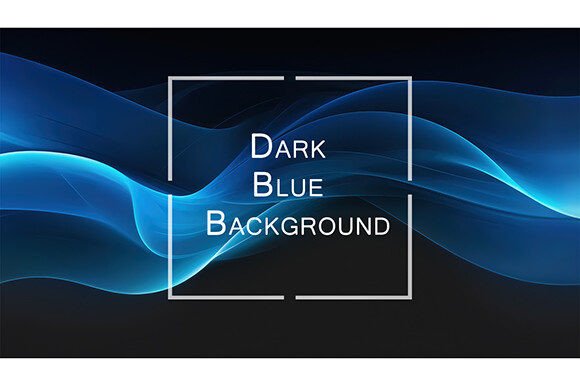
In the realm of visual communication, few elements command attention and convey sophistication quite like a Dark Blue Background. It is more than just a color choice; it is a foundational pillar of modern aesthetic appeal that balances depth, elegance, and clarity. When paired with dynamic elements such as glowing blue wavy lines, this composition creates an immersive experience that captivates viewers instantly. For designers seeking to elevate their projects, high-resolution assets are not merely optional—they are essential for maintaining integrity across both digital and print mediums.
The specific asset described—a 3675x2100 px resolution file at 300 DPI in JPEG format—represents the pinnacle of quality for professional workflows. This level of detail ensures that whether you are designing for a massive billboard or a crisp mobile interface, the visual fidelity remains uncompromised. The interplay between the deep, solid dark blue and the luminous, flowing lines introduces a sense of motion and energy, making it ideal for brands that want to appear innovative yet stable.
The Power of Dark Blue in Brand Identity
Color psychology plays a pivotal role in how audiences perceive a brand. Dark blue is universally associated with trust, intelligence, authority, and calmness. Unlike black, which can sometimes feel harsh or somber, dark blue offers a softer, more approachable depth while retaining its premium feel. When used as a primary background, it allows other design elements to pop without overwhelming the viewer.
Integrating glowing blue wavy lines adds a layer of complexity and modernity. These lines suggest fluidity, connectivity, and technology, making them particularly effective for tech startups, financial institutions, or creative agencies. The glow effect draws the eye naturally through the composition, guiding the viewer’s focus in a way that static colors cannot achieve alone. This combination supports strong visual hierarchy, ensuring that key messages stand out against the rich backdrop.
Practical Applications Across Industries
The versatility of this high-quality graphic asset makes it suitable for a wide array of creative projects. Its dimensions and resolution allow for seamless integration into various formats:
- Social Media Branding: Use it as a cover photo or story background to create a cohesive look across Instagram, LinkedIn, or Facebook. The high contrast ensures text overlays remain readable.
- Web and UI/UX Design: Implement this as a hero section background on websites. The 300 DPI quality ensures it looks sharp on retina displays, enhancing the overall user experience (UX).
- Print Materials: From business cards to postcards and packaging, the 300 DPI specification guarantees that your designs will look professional when printed. The dark blue base provides an excellent canvas for white or metallic typography.
- Editorial and Marketing: Ideal for magazine layouts, flyers, and advertising campaigns where visual impact is crucial to stopping the scroll or catching the eye in print.
Evaluating Quality for Professional Results
Not all background images are created equal. When selecting design assets, resolution and format are critical. A 3675x2100 px image provides ample pixel density for large-scale prints without pixelation. The JPEG format, while compressed, is widely supported and efficient for web use, provided the quality setting is high enough to preserve the subtle gradients of the glow effects.
Designers should also consider how this asset fits into their existing color palette. The glowing lines introduce lighter blues and whites, which must harmonize with the primary brand colors. If your brand uses complementary colors like orange or gold, they will create striking contrast against the dark blue. If you stick to analogous colors, the result will be monochromatic and serene. Understanding these dynamics helps maintain consistency in your brand identity.
Enhancing Typography and Composition
One of the greatest advantages of using a dark background is the improvement in text readability. Light-colored typography, especially sans-serif fonts, stands out sharply against dark blue, reducing eye strain for readers. However, care must be taken to ensure that the glowing lines do not interfere with legible areas. Strategic placement of text boxes or semi-transparent overlays can help manage this balance.
Furthermore, the wavy nature of the lines suggests movement. Aligning your layout elements with the flow of these waves can create a unified composition. For instance, placing a logo or headline along the curve of a wave can guide the viewer’s eye naturally across the page, reinforcing the message through visual design principles rather than just words.
Ultimately, investing in premium, high-resolution creative assets pays dividends in the professionalism of your output. Whether you are updating your website, launching a new product line, or refreshing your social media presence, a well-chosen Dark Blue Background with dynamic lighting effects can transform ordinary content into extraordinary visual stories. By prioritizing quality, coherence, and strategic application, designers can leverage these tools to communicate more effectively and leave a lasting impression on their audience.