Rainbow Watercolor Digital Papers: A Practical Guide to Integration and Workflow
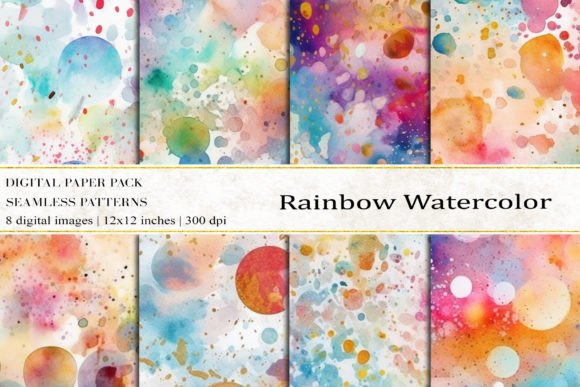
In the landscape of digital creation, finding assets that bridge the gap between artistic expression and technical precision is often the most challenging part of a project. Rainbow Watercolor Digital Papers offer a unique solution by combining the organic, fluid aesthetic of traditional watercolors with the reliability of high-resolution digital files. This specific set comprises eight distinct 12×12 inch JPG images at 300 dpi, created using Midjourney, a generative art AI program. While the technology behind their creation is modern, their application remains rooted in fundamental design principles that serve professionals, hobbyists, and entrepreneurs alike.
The value of these papers lies not just in their visual appeal but in how they fit into a broader creative workflow. Whether you are managing a small business, designing educational materials, or organizing personal projects, the ability to introduce texture and color without compromising file quality is essential. These digital backgrounds act as foundational layers that can elevate standard documents, turning a plain invitation into a cohesive brand asset or a simple planner sticker into a delightful user experience.
Understanding the Asset and Its Technical Specifications
Before integrating any new resource into your workflow, it is crucial to understand its technical parameters. The Rainbow Watercolor Digital Papers set provides eight unique variations, each capturing the unpredictable beauty of watercolor washes in vibrant rainbow hues. Being delivered in JPG format ensures maximum compatibility across almost all software platforms, from Adobe Creative Cloud to free online editors like Canva or GIMP.
The resolution of 300 dpi is a critical specification for anyone intending to print their work. In professional printing, lower resolutions result in pixelation and blurriness, which can undermine the perceived quality of a product. By maintaining 300 dpi, these images are optimized for high-quality output on various media types. The 12×12 inch dimension is particularly versatile; it is the industry standard for scrapbooking and many digital design templates, making it easy to scale down for web use or scale up for large-format prints without losing clarity.
It is important to note that these images were generated using Midjourney. This generative AI process allows for a level of complexity and uniqueness that might be difficult to achieve manually in a short timeframe. However, this does not diminish their utility. For the end-user, the origin of the image matters less than the final result: a high-quality, textured background that adds depth and emotion to a design. Understanding this distinction helps creators approach the asset with confidence, knowing they are working with professional-grade output.
Strategic Placement in the Creative Process
Integrating digital papers into a project requires more than just dragging and dropping an image onto a canvas. It involves strategic planning regarding when and how the asset is used within the lifecycle of a task. The Rainbow Watercolor Digital Papers can be utilized at three distinct stages: preparation, execution, and finalization.
During the Preparation Phase
Before beginning a major design project, such as launching a new website or creating a marketing campaign, designers often need mood boards or concept sketches. Using these watercolor textures at this stage can help establish a color palette and tone. The rainbow gradient nature of the papers provides a natural spectrum that can guide the selection of secondary colors for typography and icons. By placing these papers in a reference folder, teams can ensure visual consistency before a single line of code is written or a single page is laid out.
During the Execution Phase
This is where the bulk of the work happens. For planners and organizers, these papers serve as perfect backdrops for stickers and widgets. When creating a digital planner, a designer might layer a subtle watercolor texture behind text boxes to reduce eye strain and add warmth. Similarly, for educators creating worksheets or lesson plans, these backgrounds can make dry content feel more inviting and engaging for students. The 300 dpi quality ensures that even if the text is dense, the background remains crisp and does not interfere with readability.
In the Finalization Phase
Once the primary content is complete, digital papers can be used for finishing touches. This includes adding borders to photo albums, creating letterheads for business correspondence, or designing packaging mockups. Because the images are high-resolution, they can be printed directly for physical products like fabric, stationery, or home decor items. This seamless transition from digital file to physical product is a key efficiency booster for small business owners who want to maintain brand consistency across both online and offline channels.
Workflow Integration and Compatibility
The true power of Rainbow Watercolor Digital Papers emerges when they interact with other tools and resources. In a modern digital ecosystem, assets rarely exist in isolation. They must play well with vector graphics, typography, and layout software.
For Web Designers and Marketers, these JPG files are lightweight enough to load quickly while still offering high visual impact. They can be used as hero backgrounds for landing pages, section dividers, or email newsletter headers. When integrating these into a website, it is advisable to adjust the opacity or apply a slight overlay to ensure text legibility. The rainbow tones provide a cheerful atmosphere that can increase user engagement time on a site.
In the realm of Print Production, the interaction is slightly different. When sending files to a printer for business cards or invitations, the 300 dpi JPGs must be imported into design software like Illustrator or InDesign. Here, the AI-generated nature of the artwork means there are no hard edges or repeating patterns that might look artificial upon close inspection. This organic flow makes them ideal for branding materials that need to feel handcrafted and personal.
For Fabric Printing and Home Decor, the scalability of the 12×12 inch format is advantageous. Users can tile these images to create continuous patterns for textiles or wallpaper. The vibrant colors translate well to fabric dyes, provided the correct color profiles (CMYK vs. RGB) are managed during the export process. This versatility allows a single purchase of digital papers to yield multiple revenue streams or creative outputs.
Practical Implementation Tips for Efficiency
To get the most out of this set, users should adopt a systematic approach to organization and usage. Efficient workflows prevent the common pitfall of "asset fatigue," where too many options slow down decision-making.
- Create a Dedicated Library: Immediately organize the eight JPG files into a specific folder named "Rainbow Watercolor Assets." Within this folder, categorize them by color intensity or hue if necessary. This prevents the need to search through generic downloads every time a project begins.
- Test Before You Commit: Before applying these papers to a final client project, run a quick test print or export at full size. Check how the colors render on your specific monitor and printer. Since the images are AI-generated, some gradients may appear smoother on screen than in print, so verifying the output early saves time and material costs.
- Layering Techniques: Do not treat the paper as the only element. Use blending modes in your design software to integrate the texture with other graphics. For example, setting the blend mode to "Multiply" can darken the background to make white text pop, while "Overlay" can add the texture to existing photos without washing them out.
- Consistency Checks: If you are creating a series of documents, such as a blog post header, a social media graphic, and a printable PDF, ensure you use the same paper or a complementary one from the set. Consistency builds brand recognition and professionalism.
Furthermore, consider the longevity of the project. Unlike temporary trends, watercolor textures have a timeless quality. Investing in a set like this ensures that your designs remain relevant for years. Whether you are updating a portfolio or refreshing a brand identity, these assets provide a reliable foundation that supports long-term growth.
Conclusion: Elevating Your Output
The integration of Rainbow Watercolor Digital Papers into your workflow represents a shift towards higher quality, more personalized design outcomes. By leveraging high-resolution, AI-enhanced textures, creators can bypass the limitations of stock photography and generic clipart. The result is a body of work that feels authentic, warm, and professionally executed.
From the initial sketch phase to the final printed product, these digital papers offer a flexible toolset that adapts to diverse needs. Whether you are a freelancer looking to impress clients, an educator aiming to engage students, or a business owner wanting to stand out in a crowded market, these assets provide the necessary visual depth to make your message resonate. By understanding their specifications and applying them strategically within your process, you can unlock a new level of creativity and efficiency in your daily tasks.