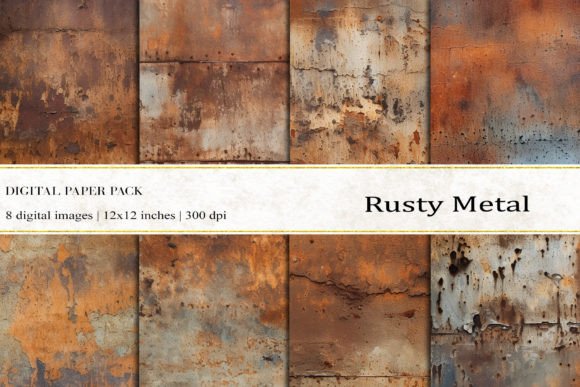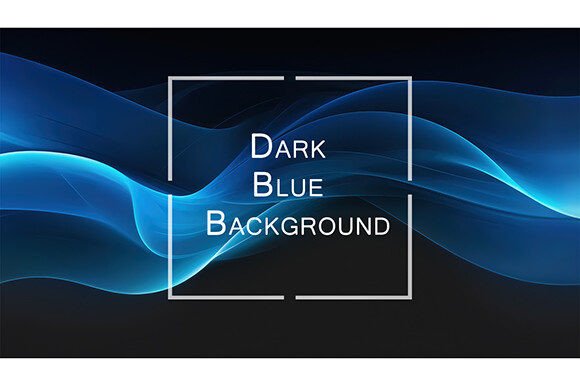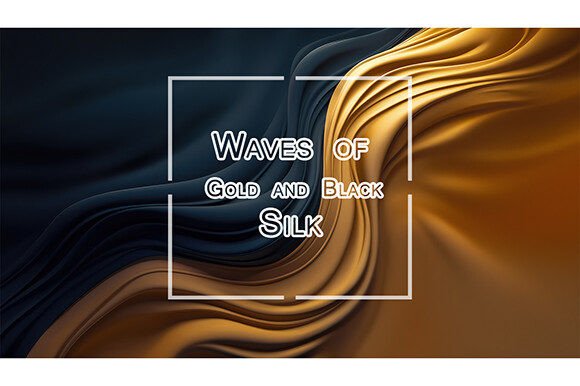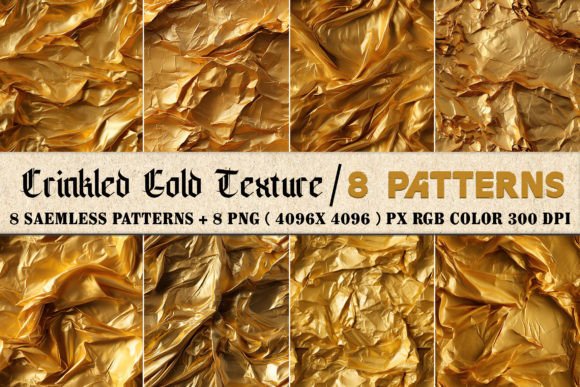
Abstract Metal Background: Premium High-Res Texture
In the world of digital design, texture is often the silent architect of mood. It provides depth, context, and a tactile quality that flat colors simply cannot replicate. When you are looking for a visual foundation that screams sophistication without overwhelming your primary content, Abstract Metal Background emerges as a compelling choice. This isn't just a generic gray image; it is a meticulously crafted 4571x2100 pixel JPEG file, rendered at 300 DPI, offering the kind of premium quality required for both high-stakes print projects and crisp digital displays.
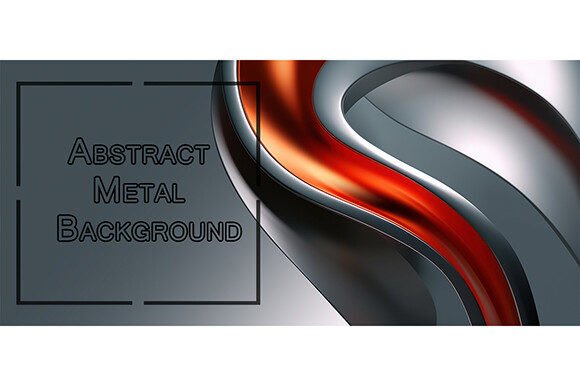
The visual personality of this background is defined by its interplay of light and shadow across metallic surfaces. Whether it features the subtle sheen of brushed steel, the rugged texture of oxidized copper, or the sleek reflection of polished chrome, the image brings an industrial yet refined aesthetic to any composition. For designers, marketers, and content creators, having access to such a versatile asset means less time searching for the perfect backdrop and more time focusing on the message you want to convey. The "wavy shape" variation adds a dynamic fluidity to the rigid nature of metal, creating a unique tension between organic movement and structural solidity.
Visual Characteristics and Design Appeal
Understanding what makes Abstract Metal Background effective starts with analyzing its visual components. At 300 DPI, the resolution is sufficient for large-format printing, ensuring that when you scale this up for posters, packaging, or wall art, you won’t encounter pixelation or blurriness. The aspect ratio of 4571x2100 pixels offers a panoramic view, making it ideal for wide banners, website headers, or social media covers where horizontal space needs to be filled elegantly.
The appeal lies in its neutrality combined with complexity. A pure white background can feel sterile, while a busy photographic scene can distract from text. An abstract metal texture sits in the sweet spot: it has enough detail to hold interest but lacks specific focal points that would compete with logos or headlines. The wavy variations introduce a sense of motion, suggesting flow and adaptability, which can subconsciously communicate progress or innovation to your audience. This makes the texture particularly suitable for tech companies, architectural firms, luxury automotive brands, or modern lifestyle blogs.
When you apply this texture, you are leveraging the psychological associations of metal. Metal implies durability, precision, strength, and value. By using it as a background, you transfer these attributes to your brand identity. It tells the viewer that your product or service is built to last and crafted with care. However, because it is abstract, it avoids the coldness sometimes associated with raw industrial imagery, keeping the tone approachable and modern.
Practical Applications Across Media
The versatility of this high-resolution JPG allows it to function seamlessly across various platforms. In the realm of web design, it serves as an excellent hero section background. Its width accommodates responsive layouts, and its neutral tones ensure that overlaid text remains legible, especially when paired with appropriate contrast adjustments. For social media graphics, the texture provides a consistent brand element that stands out in crowded feeds without shouting for attention.
- Print Collateral: Because the file is 300 DPI, it is ready for professional printing. Use it for business cards to add a subtle metallic foil effect simulation, or for postcards and invitations where you want to evoke a sense of exclusivity.
- Packaging Design: In packaging design, texture communicates quality. A cosmetic bottle, a tech gadget box, or a gourmet food label can benefit from the sophisticated look of brushed metal, suggesting premium ingredients or advanced technology.
- Editorial and Publishing: Bloggers and publishers can use this as a featured image background or within article headers to break up text-heavy pages. It adds visual rhythm to long-form content.
- Brand Identity Assets: For entrepreneurs building a brand identity, having a go-to texture ensures consistency. You can use the same metal background across email signatures, presentation decks, and marketing brochures to create a cohesive visual language.
Crafters and hobbyists also find value here. If you are designing custom notebooks or journal covers, this texture provides a professional finish that rivals commercial products. It bridges the gap between amateur creation and professional output, allowing small business owners to compete visually with larger corporations.
Strategic Implementation and Best Practices
Using Abstract Metal Background effectively requires more than just dropping it into a template. To maximize its impact, consider how it interacts with typography and other design elements. Readability is paramount. Metallic textures often have highlights and shadows that can make text difficult to read if not managed carefully. Always test your color choices against the background. Light text works best on darker, deeper metal tones, while dark text may pop better on lighter, brushed silver or aluminum finishes.
When selecting this texture, evaluate the project fit by asking what emotion you want to evoke. Do you need strength? Go for the darker, heavier metal variations. Do you need elegance and lightness? Opt for the wavy, reflective shapes. Testing font pairings is crucial. Since the background is complex, choose typefaces that complement rather than clash. A clean sans serif font often works well for a modern, minimalist look, emphasizing clarity. Alternatively, a classic serif font can create a striking contrast, blending traditional elegance with industrial modernity.
Key Considerations for Commercial Use
Before incorporating this asset into client work or personal projects, always review the included styles and licensing terms. As a commercial font or design asset, understanding usage rights protects you from legal issues. Ensure the license covers your specific medium, whether it’s digital ads, physical merchandise, or broadcast media. Most high-quality assets come with clear guidelines on attribution and redistribution—follow them to maintain ethical standards and respect for the creator’s work.
Furthermore, consider the hierarchy of your design. The metal background should support the content, not dominate it. Use opacity layers, gradients, or overlays to soften the texture if it feels too aggressive. This technique allows you to retain the visual interest of the metal while ensuring your message takes center stage. For instance, applying a slight black overlay with 20% opacity can darken the background just enough to make white text readable without losing the metallic character.
In conclusion, Abstract Metal Background is more than just a pretty picture; it is a strategic design tool. Its high resolution, versatile applications, and sophisticated aesthetic make it a valuable addition to any designer’s toolkit. Whether you are crafting a brand identity for a startup, designing packaging for a new product, or simply enhancing a blog post, this texture offers the professionalism and polish that audiences expect today. By understanding its visual weight and practical applications, you can leverage its power to create designs that are not only seen but felt.