Fruits Digital Papers: A Comprehensive Evaluation for Designers and Crafters
In the realm of digital design and physical crafting, visual texture plays a pivotal role in setting the tone of a project. Whether you are designing a whimsical wedding invitation or creating a vibrant scrapbook page, the background often dictates the overall aesthetic. Among the various options available to creators, Fruits Digital Papers have emerged as a popular choice for those seeking cheerful, organic, and versatile backgrounds. This evaluation explores the specifics of this digital asset set, examining its technical specifications, potential applications, and the practical considerations every buyer should weigh before making a purchase.
Understanding Fruits Digital Papers
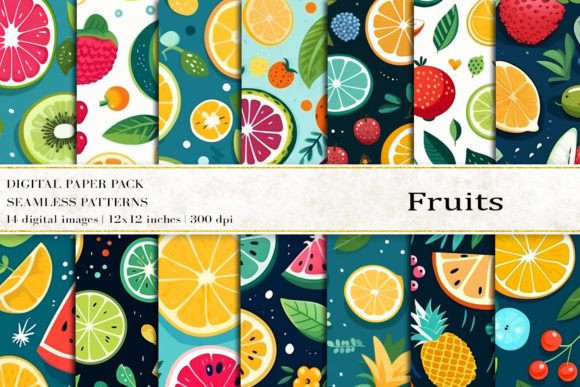
Fruits Digital Papers is a curated collection of high-resolution graphic assets designed to serve as backgrounds or textures for a wide array of creative projects. The set comprises 14 distinct digital papers, each featuring fruit-themed illustrations or patterns. These designs range from seamless fruit motifs to more abstract interpretations of citrus, berries, and tropical produce, offering a cohesive yet varied palette for designers.
The product is delivered in JPG format, with each paper sized at 12×12 inches. This specific dimension has become an industry standard in the scrapbooking and papercraft community, ensuring compatibility with most cutting machines and layout software. Furthermore, the files are rendered at 300 dpi (dots per inch), which is the critical threshold for high-quality printing. This resolution ensures that when these digital images are printed, they remain crisp and free from pixelation, even when scaled slightly or viewed up close.
Technical Specifications and Usability
For professionals and hobbyists alike, understanding the technical delivery of a digital product is essential. The 12×12 inch size at 300 dpi strikes a balance between file manageability and print quality. It allows users to utilize the full image as a single page background or crop sections for smaller elements like tags or stickers without significant loss of detail.
The JPG format is widely supported across almost all operating systems and design software, including Adobe Photoshop, Illustrator, Canva, Microsoft Word, and Apple Pages. While PNG formats offer transparency advantages, JPGs are generally preferred for solid background papers due to their smaller file sizes and broad compatibility. Users should be aware that JPG compression can sometimes introduce minor artifacts in very large, solid-color areas, though at 300 dpi, this is rarely noticeable in final prints.
Primary Use Cases and Applications
The versatility of Fruits Digital Papers makes it suitable for a diverse range of industries and hobbies. Below are the primary categories where this asset set adds value:
- Papercrafting and Scrapbooking: The 12×12 size is ideal for traditional scrapbook layouts. The fruit themes work well for summer journals, vacation memories, or nature-inspired albums.
- Event Stationery: For weddings, birthdays, and parties, these papers provide a fresh and inviting backdrop for invitations, place cards, and thank-you notes. The organic theme aligns naturally with garden parties or brunch-style events.
- Business Branding: Small business owners in the food, beverage, or lifestyle sectors can use these patterns for packaging labels, business cards, or logo backgrounds. The playful nature of fruit imagery can help brands appear approachable and friendly.
- Digital Planning: With the rise of digital planners on apps like GoodNotes or Notability, these papers can be used as daily or weekly background pages, adding a touch of color to virtual organization tools.
- Home Decor and DIY: Beyond paper crafts, these high-resolution images can be printed larger for decoupage projects, decorated furniture accents, or framed wall art.
Evaluating Benefits and Tradeoffs
When considering whether Fruits Digital Papers fits your workflow, it is important to weigh the benefits against potential limitations.
Benefits
The primary advantage of this set is its thematic cohesion. Having 14 related designs allows for easy mixing and matching within a single project, creating a unified look without the need to source multiple disparate styles. The 300 dpi resolution ensures professional-grade output for physical products, reducing the risk of returns or dissatisfaction due to poor print quality. Additionally, the instant download nature of digital papers eliminates shipping costs and wait times, allowing for immediate project commencement.
Tradeoffs and Considerations
One consideration is the specificity of the theme. If a designer is working on a corporate, minimalist, or somber project, the bright and playful nature of fruit imagery may not align with the desired brand voice. In such cases, neutral or abstract backgrounds would be more appropriate.
Another factor is the format limitation. As mentioned, JPGs do not support transparency. If a user requires a pattern with cut-out shapes or transparent overlays, they would need to edit the images themselves or seek out PNG versions. Furthermore, while 12×12 inches is standard, some modern digital planning devices or specific international paper sizes (like A4) may require cropping or scaling, which could alter the composition of the fruit patterns.
Situational Fit: Who Should Buy?
Fruits Digital Papers is a strong fit for:
- Scrapbookers and Cardmakers: Those who regularly create physical goods will benefit from the ready-to-print resolution and standard sizing.
- Small Business Owners: Entrepreneurs selling handmade goods, particularly those involving food, gifts, or children’s items, can leverage these designs for cost-effective branding materials.
- Hobbyist Crafters: Individuals engaged in decoupage, journaling, or party decoration planning will find the variety of 14 designs sufficient for numerous small to medium-sized projects.
Conversely, alternatives may be worth considering for:
- High-Volume Commercial Printers: Businesses requiring thousands of unique variations might prefer vector-based EPS or AI files, which allow for infinite scaling without quality loss.
- Designers Seeking Minimalism: Those focused on clean, text-heavy layouts may find fruit patterns too visually busy and might opt for solid colors or subtle textures instead.
- Web Designers: For web use, high-resolution JPGs may be unnecessarily large and slow down page load times. Web-optimized PNGs or SVGs would be more efficient for digital-only projects.
Practical Decision-Making Insights
To determine if this product aligns with your goals, consider the following questions:
What is the end medium? If you are printing on home inkjet printers or sending files to a professional lab, the 300 dpi JPG format is perfect. If you are using the images solely on social media or websites, you may be able to find lower-resolution versions elsewhere, saving money.
Do you need editing capabilities? Since these are raster images (pixels), they cannot be easily edited at the object level. If you need to change the color of a specific strawberry or move a lemon, you would need advanced photo editing skills. Vector graphics would offer greater flexibility for such modifications.
Is the theme appropriate? Review the preview images carefully. Ensure the color palette matches your existing brand guidelines or personal style. Fruit themes can vary significantly from pastel and soft to neon and bold; choosing the right subset is crucial for aesthetic consistency.
Conclusion
Fruits Digital Papers offers a practical, high-quality solution for creatives looking to add vibrant, nature-inspired backgrounds to their projects. With its standard 12×12 inch size, 300 dpi resolution, and 14 cohesive designs, it serves as a reliable resource for both physical crafting and digital design. While it may not suit every aesthetic or technical requirement—particularly those needing vector scalability or minimalism—it remains a strong candidate for anyone seeking cheerful, printable textures for stationery, packaging, and decorative arts. By evaluating your specific project needs against the strengths and limitations outlined above, you can make an informed decision that enhances your creative workflow.