Christmas Boy Leaning: A Comprehensive Guide to Using This Versatile Cutting File
Creating personalized holiday decor and gifts has become a staple for many crafters, entrepreneurs, and hobbyists. Among the trending designs available for cutting machines like Cricut and Silhouette, Christmas Boy Leaning stands out as a charming and versatile option. Whether you are looking to add a touch of whimsy to your home or create unique merchandise for the festive season, understanding how to properly utilize this design is key to achieving professional results.
This guide explores what makes this specific SVG file valuable, common pitfalls to avoid when working with digital cut files, and how to maximize the potential of your purchase. By focusing on practical application and quality control, you can ensure that your final product looks as good as it feels.
Understanding the Christmas Boy Leaning Design
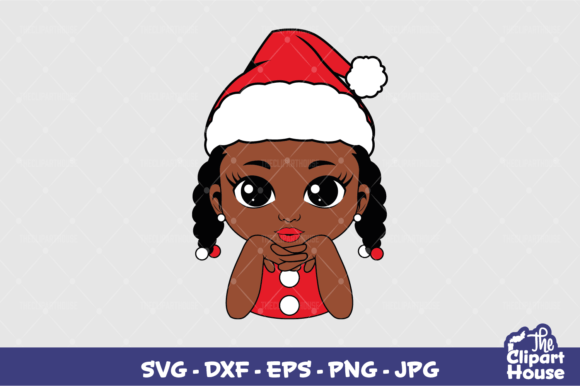
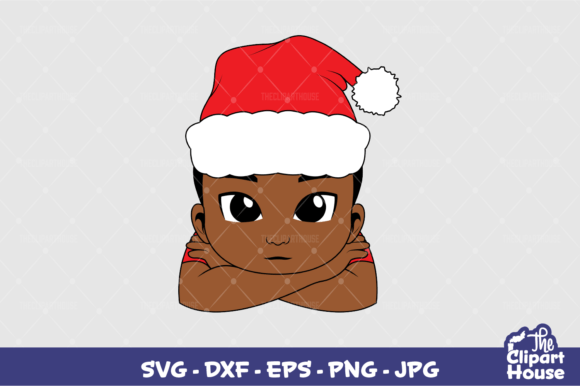
The "Christmas Boy Leaning" design typically features a cute, stylized illustration of a young boy in a leaning pose, often adorned with holiday elements such as Santa hats, scarves, or surrounded by winter motifs. This type of imagery resonates strongly during the holiday season because it captures innocence, joy, and nostalgia. For small business owners, these designs are particularly effective on products like children’s clothing, nursery decor, and greeting cards.
However, not all digital files are created equal. The value of a design lies not just in its visual appeal but in its technical structure. When you download a high-quality SVG (Scalable Vector Graphics) file, you are getting a vector-based image that can be resized without losing quality. This is crucial for cutting machines, which rely on precise path data to cut materials accurately.
Why Format Matters More Than You Think
One of the most significant mistakes beginners make is assuming that any image file will work for their cutting machine. While PNG and JPEG files are useful for printing, they are raster images composed of pixels. If you try to send a low-resolution PNG directly to a Cricut or Silhouette machine, the result will likely be jagged edges or an inability to cut at all. Always ensure you are using the SVG, EPS, or DXF file provided for cutting purposes.
Conversely, some users mistakenly believe that a single format is sufficient for all projects. In reality, different applications require different file types. For instance, if you plan to use heat transfer vinyl (HTV), the SVG is ideal for slicing and weeding in your design software. However, if you are creating sublimation prints or iron-on transfers for complex color gradients, the included PNG or JPEG files become essential. Understanding the distinction between vector and raster formats prevents wasted material and time.
Evaluating Your Digital Purchase
Before diving into your crafting project, it is wise to evaluate the files you have received. A premium digital product should come with multiple formats to ensure versatility. In this case, the package includes:
- 1 SVG File: The primary format for cutting machines like Cricut Design Space and Silhouette Studio. It allows for easy resizing and editing of individual elements.
- 1 PNG File: A transparent background image suitable for sublimation, digital printing, or adding overlays in graphic design software.
- 1 JPEG File: A standard image format, useful for quick previews or basic printing tasks where transparency is not required.
- 1 EPS File: An industry-standard vector format compatible with Adobe Illustrator and other professional design tools.
- 1 DXF File: Another vector format often used in architectural or engineering software, but also widely supported by various cutting platforms.
If you find that your zip file contains only one or two of these formats, you may be dealing with a lower-quality product. Always check the file integrity immediately after extraction. Ensure that the SVG file opens correctly in your design software and that the paths are clean. Broken paths or overlapping nodes can cause your cutting machine to skip sections or cut incorrectly.
Common Mistakes in Application and Usage
Even with the best files, errors in execution can ruin a project. Here are some frequent issues and how to avoid them.
Ignoring Material Compatibility
A common oversight is choosing the wrong material for the intended use. For example, using regular adhesive vinyl for a garment that will be washed frequently can lead to peeling and frustration. If you are applying the Christmas Boy Leaning design to clothing, always opt for Heat Transfer Vinyl (HTV) or specialty fabrics designed for textile printing. Similarly, for stickers, ensure you are using printable sticker paper that is compatible with your printer and sealed with a waterproof laminate if necessary.
Overlooking Weeding Complexity
Complex designs with many fine details can be difficult to weed (remove excess material). If you are a beginner, test the design on a scrap piece of material first. Pay attention to the negative space in the SVG. If the design has very thin connecting lines, they may break during the weeding process. In such cases, consider simplifying the design in your software or using a more durable material that holds together better.
Neglecting Software Settings
Different cutting machines require specific settings for blade depth, pressure, and speed. Using default settings without adjusting for your material thickness can result in incomplete cuts or damaged blades. Always perform a test cut before committing to expensive materials like genuine leather or thick cardstock. Furthermore, ensure that your design is mirrored if you are using HTV, as the transfer process requires the image to be flipped horizontally.
Legal Considerations and Licensing
When purchasing digital assets, it is crucial to understand the licensing terms. Most clipart SVG files, including those from The Clipart House, operate under a Personal Use and Limited Commercial Use license. This means you can sell physical items made from the design (like t-shirts or mugs) but you cannot resell the digital file itself.
Do not redistribute, share, or upload the original SVG, PNG, or JPEG files to public forums or cloud storage. Doing so violates copyright law and undermines the creator’s livelihood. Additionally, be cautious about claiming the design as your own original artwork. Proper attribution and adherence to the Terms of Use protect both you and the artist. If you plan to use the design for a large-scale commercial campaign, consider reaching out to the creator for an extended license.
Maximizing Creativity with the Design
Once you have mastered the technical aspects, the possibilities for the Christmas Boy Leaning design are endless. Here are a few creative ideas to inspire your next project:
- Personalized Gifts: Create custom pajamas or socks featuring the design for family members. The leaning pose adds a playful dynamic that works well on curved surfaces like sleeves or legs.
- Holiday Stationery: Use the PNG version to print beautiful Christmas cards or invitations. Pair the design with elegant fonts and gold foil accents for a luxurious feel.
- Home Decor: Cut the design from vinyl and apply it to wooden signs, ornaments, or canvas frames. Layering different colors of vinyl can add depth and dimension to the boy’s outfit.
- Party Supplies: Generate banners, cupcake toppers, and gift tags. The compact nature of the design makes it perfect for small-scale applications.
Final Thoughts on Quality and Satisfaction
Investing in high-quality digital files pays off in the form of easier workflow and superior end products. By ensuring you have the correct formats, understanding the licensing restrictions, and avoiding common technical errors, you can create stunning holiday projects with confidence. Remember to extract your files using a reliable zip program to prevent corruption, and always test your settings before starting a major project.
Whether you are a seasoned pro or just starting out with your Cricut or Silhouette, the Christmas Boy Leaning design offers a delightful way to celebrate the season. Take the time to prepare properly, respect the creator’s rights, and let your creativity shine through every cut and paste.